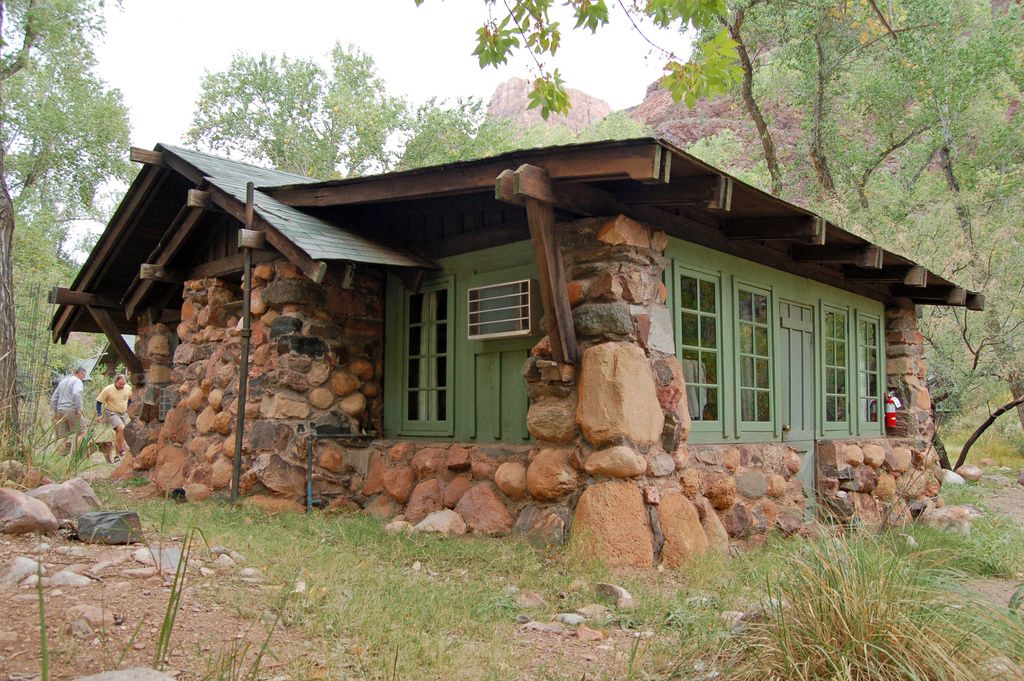
Old stone houses reward patience. Learn how to update the comfort and safety of a heritage home while protecting the walls, windows and details that make it special.
Stone houses have a quiet confidence. Thick walls, deep window sills and hand-cut details tell the story of the people who built them. Renovating one is a privilege, and it comes with responsibilities. The goal is to make the house safer, warmer and easier to live in without losing what makes it remarkable.
Understand how the walls work
Traditional stone walls were built to breathe. They absorb moisture and release it again through lime mortar and plaster. Problems often begin when modern cement mortar, plastic vapour barriers or impermeable paints trap that moisture inside. Before any work begins, have the walls assessed by someone who understands historic masonry.
- Repoint with lime mortar that is softer than the surrounding stone.
- Choose breathable finishes, such as limewash or mineral paints, for interior walls.
- Keep gutters, downspouts and grading in good order so water moves away from the foundation.
Keep the windows if you can
Original windows are often worth repairing rather than replacing. New sash cords, weatherstripping and well-fitted storm windows can make old windows surprisingly snug. Where replacement is truly needed, choose timber units with proportions and glazing bars that match the originals.
Worth knowing: many historic homes sit within local preservation districts. Check what approvals are needed for exterior changes before you finalise any plans.
Add comfort quietly
Heating, cooling, plumbing and wiring can all be updated discreetly. Run services through closets and floor voids where possible, choose compact heat pumps and place radiators or registers where they will not disturb original trim. Insulating the attic and sealing draughts around doors usually delivers the biggest comfort gains for the least disruption.
Respect the details
Old floorboards, mouldings, mantels and hardware are almost impossible to replace like for like. Protect them during works, label anything that must be removed and reuse salvaged pieces elsewhere in the house when you can.
Plan in phases
A heritage renovation is rarely a quick job. Start with the essentials, such as the roof, drainage and structure, then move on to systems and finally finishes. Working in phases spreads the cost and gives you time to get to know the house before making bigger decisions.
Our team loves working on older homes. If you are planning changes to a stone house, we would be happy to visit and talk through a careful approach.